

Introduction
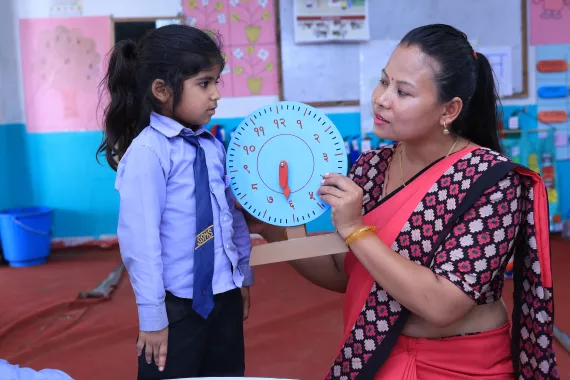
Every classroom has students who struggle. Some struggle with understanding lessons, some with confidence, and others with motivation itself. These students are often labeled as “weak students,” but in reality, they are not weak by nature. They are learners who need the right guidance, encouragement, and teaching approach.
Teachers play a powerful role in shaping students’ attitudes toward learning. A single teacher’s belief, support, and patience can transform a discouraged student into a confident learner. Motivation is not about forcing students to study harder; it is about helping them believe that they can learn.
You May Like:




This article explores practical, realistic, and student-friendly ways teachers can motivate weak students and help them grow academically and emotionally.
Understanding Who “Weak Students” Really Are
Before motivating weak students, teachers must first understand them.
A weak student is not someone who lacks intelligence. Often, such students may:
- Have gaps in basic concepts
- Learn at a slower pace
- Feel afraid of failure
- Have low self-confidence
- Face problems at home or outside school
- Learn differently than others
When students repeatedly fail or feel ignored, they begin to believe that success is not meant for them. This belief becomes their biggest barrier.
Motivation begins with understanding, not judgment.
Creating a Safe and Supportive Classroom Environment
Students learn best when they feel safe.
Weak students often hesitate to ask questions because they fear embarrassment or punishment. Teachers can motivate them by creating a classroom where mistakes are treated as part of learning, not as failures.
Simple actions matter:
- Encourage questions without mocking
- Appreciate effort, not just correct answers
- Avoid comparing students publicly
- Use kind words instead of harsh criticism
When students feel respected, they become more willing to try.
Building Confidence Through Small Successes
Confidence grows from success, even small success.
Teachers can motivate weak students by breaking lessons into smaller, manageable parts. When students achieve these small goals, they feel capable and encouraged.
For example:
- Give easier questions first
- Allow extra time when needed
- Celebrate improvement, not perfection
Each small success sends a message to the student: “I can do this.”
Understanding Individual Learning Styles
Not all students learn in the same way.
Some students learn best by listening, others by seeing, and some by doing. Weak students often struggle because teaching methods do not match their learning style.
Teachers can:
- Use visuals like diagrams and charts
- Explain concepts using real-life examples
- Encourage group discussions and activities
- Use practical demonstrations where possible
When teaching matches learning style, motivation naturally increases.
Encouraging Instead of Labeling
Labels can destroy motivation.
Words like “weak,” “slow,” or “poor student” stay in a child’s mind for a long time. Teachers should avoid labels and focus on potential instead.
Positive language makes a difference:
- Say “You are improving” instead of “You are weak”
- Say “Let’s try again” instead of “You are wrong”
- Say “You can do better” instead of “You never study”
Encouragement gives students emotional strength to keep trying.
Setting Realistic and Achievable Goals
Unrealistic expectations can demotivate students.
Teachers should help weak students set achievable goals based on their current level. When goals are realistic, students feel less pressure and more motivation.
For example:
- Improving from 30% to 45% is progress
- Completing homework regularly is an achievement
- Understanding basic concepts is more important than memorizing answers
Progress matters more than comparison.
Giving Personal Attention and Support
Weak students often feel invisible.
Even a few minutes of personal attention can motivate them deeply. Teachers can:
- Talk to students individually
- Ask about their difficulties
- Offer extra guidance after class
- Show genuine concern for their progress
When students feel that a teacher cares, they try harder.
Using Positive Feedback and Constructive Correction
Feedback shapes learning behavior.
Instead of pointing out only mistakes, teachers should highlight what students did right. Constructive correction helps students learn without losing confidence.
Effective feedback:
- Focuses on effort and improvement
- Explains mistakes gently
- Guides students on how to improve
Positive feedback builds motivation and trust.
Connecting Learning With Real Life
Students often ask, “Why do we need to learn this?”
When lessons feel meaningless, motivation disappears. Teachers can motivate weak students by showing how learning connects to real life.
For example:
- Mathematics in daily shopping
- Science in everyday activities
- Language skills in communication and jobs
When students see purpose, learning becomes interesting.
Encouraging Peer Support and Group Learning
Learning together reduces fear.
Group activities allow weak students to learn from peers without pressure. Teachers can:
- Mix strong and weak students in groups
- Encourage teamwork instead of competition
- Promote peer explanation and discussion
This creates a sense of belonging and shared learning.
Supporting Emotional and Mental Well-Being
Sometimes, academic weakness is linked to emotional stress.
Fear of exams, family problems, or social pressure can affect performance. Teachers should be sensitive to students’ emotional needs.
Simple steps include:
- Listening patiently
- Reducing exam fear through guidance
- Encouraging healthy study habits
- Referring serious issues to counselors when needed
A calm mind learns better than a stressed one.
Being a Role Model and Source of Inspiration
Teachers influence students beyond textbooks.
When teachers show patience, passion, and belief in learning, students follow. Weak students often gain motivation by seeing teachers who:
- Believe in effort
- Respect every learner
- Never give up on students
A teacher’s attitude can change a student’s future.
Final Words
Motivating weak students is not about forcing them to compete with others. It is about helping them compete with their own limitations.
Every student has the ability to grow when given the right support, understanding, and encouragement. Teachers who focus on confidence, compassion, and creativity can turn struggling students into motivated learners.
Education becomes meaningful when teachers believe not only in high achievers but also in those who need a little more time, patience, and care.
