


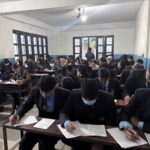
In Nepal, education has long been associated with examinations, grades, and certificates. From school-level exams to competitive tests like Lok Sewa and Shikshak Sewa, success is often defined by marks alone. While academic knowledge is important, this marks-driven approach has gradually exposed a serious gap: students leave school educated on paper, but unprepared for real life.
This is where skill-based education becomes critically important for Nepal.
You May Like:


Understanding Skill-Based Education

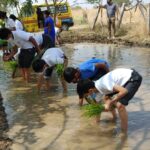
Skill-based education focuses on developing practical abilities alongside academic knowledge. These include communication skills, problem-solving, critical thinking, creativity, teamwork, digital literacy, and adaptability. Rather than memorizing information, students learn how to apply concepts in real-world situations.
In the Nepali context, where employment opportunities are limited and competition is high, skills matter as much as, if not more than, certificates.
Bridging the Gap Between Education and Employment
One of the biggest challenges in Nepal is the mismatch between education and employment. Many graduates struggle to find jobs not because they lack degrees, but because they lack relevant skills. Employers often seek candidates who can communicate effectively, work independently, and solve problems.
Skill-based education helps bridge this gap by preparing students for the workplace. It equips them with competencies that are directly useful in jobs, entrepreneurship, and self-employment, reducing dependence on limited government or foreign employment opportunities.
Reducing Exam Pressure and Student Stress
The exam-centric culture in Nepal places immense pressure on students. Fear of failure, anxiety, and stress are common, especially during SEE and Class 12 examinations. Skill-based learning shifts the focus from rote memorization to understanding and practice, allowing students to learn at their own pace and according to their strengths.
When students are valued for their abilities, not just their marks, learning becomes more meaningful and confidence grows naturally.
Empowering Students From Diverse Backgrounds
Nepal’s social and economic diversity means that not all students learn in the same way. Some excel in theoretical exams, while others perform better in practical or creative tasks. Skill-based education recognizes these differences and provides equal opportunities for all learners to succeed.
This approach is especially beneficial for students from rural and marginalized communities, where practical skills can open doors to livelihood opportunities and self-reliance.
Supporting National Development Goals
A nation’s progress depends on the skills of its people. For Nepal to develop sustainably, it needs skilled human resources across sectors such as education, agriculture, technology, tourism, and entrepreneurship. Skill-based education plays a key role in producing capable citizens who can contribute meaningfully to national development.
It also aligns with global education trends, preparing Nepali students to compete and collaborate beyond national borders.
Role of Schools and Teachers
Teachers and schools are central to the success of skill-based education. Teaching methods must move beyond lecture-based instruction to include project work, group discussions, presentations, and practical activities. Teachers should guide students to think, question, and apply knowledge rather than simply memorize answers.
With proper training and support, Nepali teachers can become facilitators of skill development, nurturing confident and capable learners.
Finally
Skill-based education is not an alternative to academic learning; it is its essential complement. In Nepal, where students face academic pressure, employment challenges, and social inequalities, focusing on skills can transform education into a powerful tool for personal and national growth.
By prioritizing skills alongside knowledge, Nepal can prepare students not just to pass exams, but to succeed in life with confidence, competence, and purpose.
