

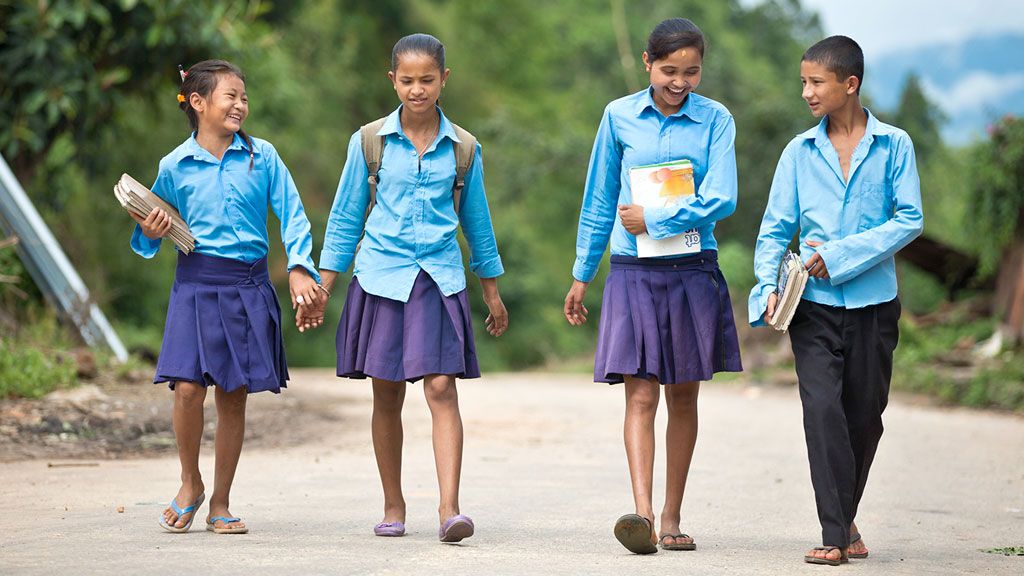
In Nepal, education is often seen as the main pathway to a secure future. Parents invest heavily in their children’s schooling, students work hard to earn certificates, and society places great value on academic success. Yet, despite this effort, many educated young people struggle to find meaningful employment. This gap between education and employment highlights a deeper issue: education in Nepal does not always translate into employable skills.
The Growing Gap Between Education and Employment
Each year, thousands of students graduate from schools, colleges, and universities in Nepal. They hold degrees and academic qualifications, but many remain unemployed or underemployed. The problem is not a lack of education, but a mismatch between what students learn and what the job market demands.
You May Like:



Employers often look for practical abilities such as communication, teamwork, problem-solving, and basic technical skills. However, much of the education system still focuses on theory, memorization, and examination performance. As a result, students may know concepts but struggle to apply them in real work environments.
Why Academic Knowledge Alone Is Not Enough
Academic knowledge provides a strong foundation, but it does not automatically prepare students for the workplace. Many students complete their education without learning how to write professional emails, work in a team, manage time, or adapt to new challenges. These skills are essential in almost every profession, whether in teaching, business, technology, or public service.
In Nepal, this gap becomes more visible when graduates compete for limited job opportunities. Employers prefer candidates who can demonstrate practical competence, not just academic achievement.
Skill Development and Youth Employment
Skill-based education plays a crucial role in improving employability. When students are trained in practical skills alongside academic subjects, they become more confident and job-ready. Skills such as digital literacy, problem-solving, communication, and basic vocational training open doors to both employment and self-employment.
For a country like Nepal, where job creation is limited and foreign employment is common, skill development can empower youth to explore diverse career paths, including entrepreneurship and local economic activities.
The Role of Educational Institutions
Schools and colleges have a key responsibility in preparing students for life beyond exams. Education should not only aim to produce high scores, but capable individuals who can contribute meaningfully to society. This requires changes in teaching methods, curriculum design, and assessment systems.
Project-based learning, internships, presentations, and practical assignments can help students develop real-world skills. Teachers also need ongoing training to guide students in developing both academic and non-academic competencies.
Social Expectations and Career Choices
In Nepali society, there is often a narrow definition of success. Traditional careers are valued more than skill-based professions, which discourages students from exploring alternative paths. This mindset limits opportunities and adds pressure on students to follow academic routes that may not suit their interests or strengths.
Recognizing the value of skills-based careers can help create a more inclusive and realistic education-to-employment pathway.
Finishing..
Education, skills, and employability are closely connected, but in Nepal, this connection remains weak. Strengthening skill-based learning within the education system is essential for reducing unemployment and helping young people build meaningful careers. When education focuses not only on marks and certificates, but also on practical skills and personal development, students become better prepared for the challenges of the real world.
For Nepal’s future to be secure and sustainable, education must empower learners with the skills they need to work, adapt, and grow in an ever-changing society.
