

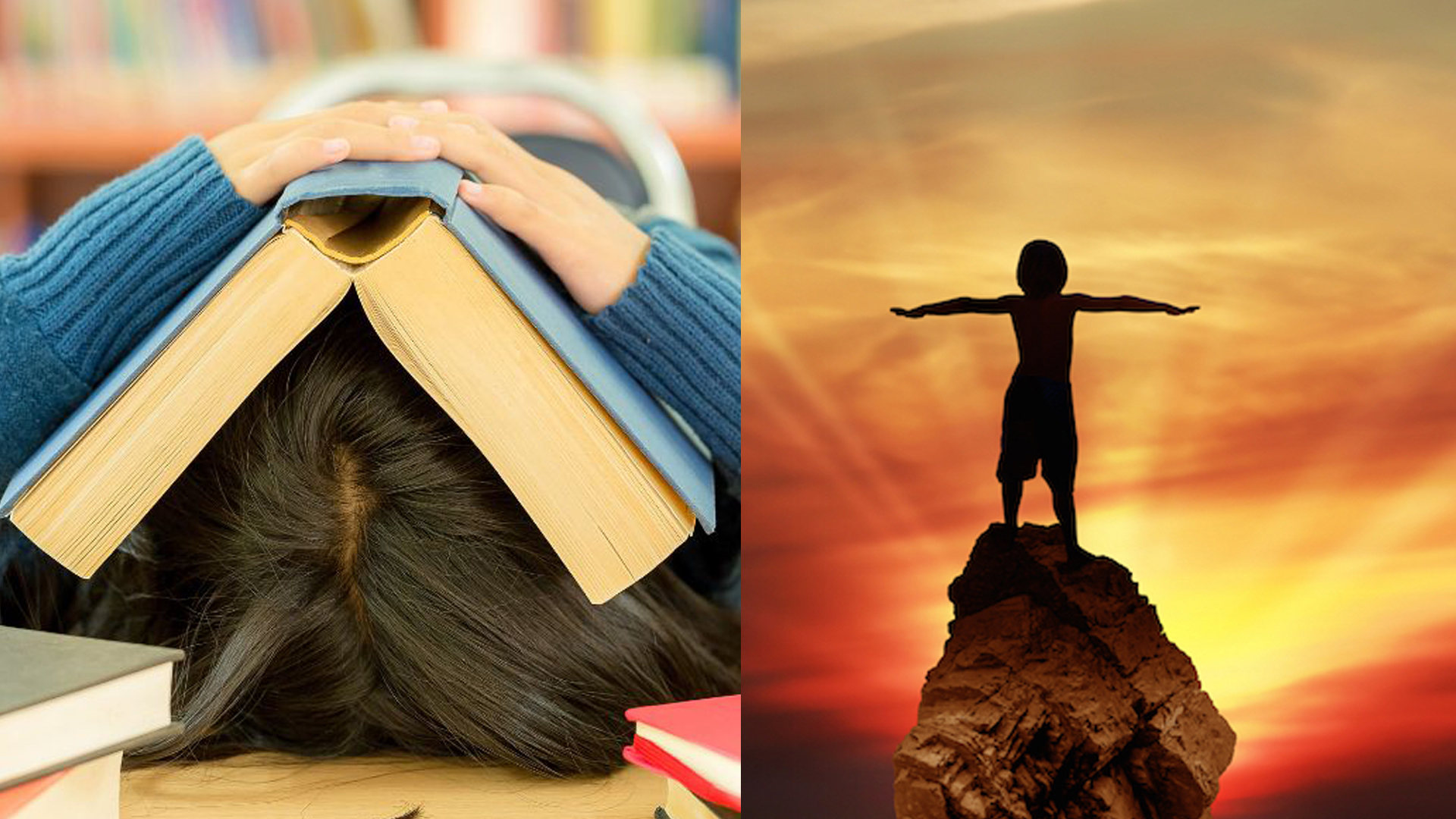
For many students, education feels like a long race toward exams. From early classes to higher studies, success is often measured by marks, grades, and certificates. While exams are important, they are not the only purpose of education.
Real education should prepare students not just to pass exams, but to face life. Life demands skills like communication, problem-solving, emotional strength, decision-making, and adaptability. Unfortunately, many students complete their education without developing these essential life skills.
You May Like:

Education beyond exams means helping students grow as confident, capable, and responsible individuals. This article explains why education must go beyond exams and how it can prepare students for real life.
What Does “Education Beyond Exams” Mean?
Education beyond exams means learning that focuses on overall development, not only academic scores.
It includes:
- Understanding concepts, not just memorizing answers
- Developing practical and life skills
- Learning how to think, not what to think
- Building confidence, values, and responsibility
In this approach, exams are used as tools for evaluation, not as the final goal of education.
Why Exams Alone Are Not Enough
Exams test memory and writing speed, but life requires much more.
In real life, students need to:
- Communicate ideas clearly
- Solve problems creatively
- Work with others
- Handle failure and stress
- Make decisions independently
Many high-scoring students struggle in real-world situations because they were never trained beyond textbooks. This shows that exams alone cannot measure true ability or readiness for life.
Skills Students Need for Life
Education beyond exams focuses on building life skills.
Communication Skills
Students should learn how to express their thoughts confidently in speaking and writing. Communication helps in relationships, careers, and leadership.
Critical Thinking
Life often presents unexpected problems. Students need the ability to analyze situations, think logically, and find solutions.
Emotional Intelligence
Understanding emotions, managing stress, and showing empathy are essential for personal and professional success.
Time Management
Life demands balance. Students should learn how to manage time, set priorities, and meet responsibilities.
Adaptability
The world is changing rapidly. Students must learn how to adapt to new situations, technologies, and challenges.
Role of Schools in Preparing Students for Life
Schools play a major role in shaping students’ futures.
Instead of focusing only on exams, schools can:
- Encourage discussions and debates
- Promote project-based learning
- Include real-life examples in lessons
- Support creativity through arts and activities
- Teach problem-solving through practical tasks
When schools create learning environments that value skills and curiosity, students become active learners rather than passive exam candidates.
Role of Teachers in Life-Oriented Education
Teachers are guides, not just instructors.
Teachers can prepare students for life by:
- Encouraging questions and curiosity
- Supporting students emotionally
- Teaching lessons connected to real life
- Valuing effort and improvement, not just marks
- Helping students discover their strengths
A teacher who believes in students can influence their confidence and mindset for life.
Role of Parents in Education Beyond Exams
Parents often focus only on results, but their role is much deeper.
Parents can support life-oriented education by:
- Appreciating effort, not only marks
- Encouraging skills and interests
- Avoiding unhealthy comparisons
- Supporting emotional well-being
- Allowing children to learn from mistakes
When parents value learning over marks, students feel less pressure and more motivation.
Importance of Experiential and Practical Learning
Learning by doing is powerful.
Practical activities help students:
- Apply knowledge in real situations
- Understand concepts clearly
- Develop confidence and independence
Activities like group projects, presentations, field visits, and skill-based tasks prepare students for life beyond classrooms.
Preparing Students for Careers, Not Just Exams
Education should guide students toward meaningful careers.
Career preparation includes:
- Understanding personal interests and strengths
- Learning job-related skills
- Developing work ethics and responsibility
- Building confidence for real-world challenges
Students who are career-ready feel more confident and less confused about their future.
Mental and Emotional Preparation for Life
Life includes success and failure.
Education beyond exams teaches students:
- How to handle failure positively
- How to stay calm under pressure
- How to build self-confidence
- How to maintain mental well-being
A strong mind is as important as academic knowledge.
Challenges in Moving Beyond Exam-Focused Education
Changing exam-focused education is not easy.
Some challenges include:
- Social pressure for marks
- Limited resources and training
- Traditional teaching methods
- Fear of change
However, gradual steps can make a difference. Even small changes in teaching and learning can improve students’ overall development.
The Future of Education Beyond Exams
The future of education depends on balance.
Exams should remain part of education, but they should not dominate it. When education balances academic learning with life skills, students become more capable, confident, and prepared for the real world.
Education should not end at the examination hall. It should continue throughout life.
Final Words
Education beyond exams is about preparing students for life, not just tests.
When education focuses on skills, values, confidence, and real-world readiness, students grow into responsible and capable individuals. Exams may open doors, but life skills help students walk confidently through them.
True education prepares students not only to succeed academically, but to live meaningfully and independently.
